
Auckland Drainage Guide
Everything Auckland property owners need to know about their drainage systems. Expert advice from licensed drainlayers with 20+ years of local experience.
Understanding Auckland's Drainage
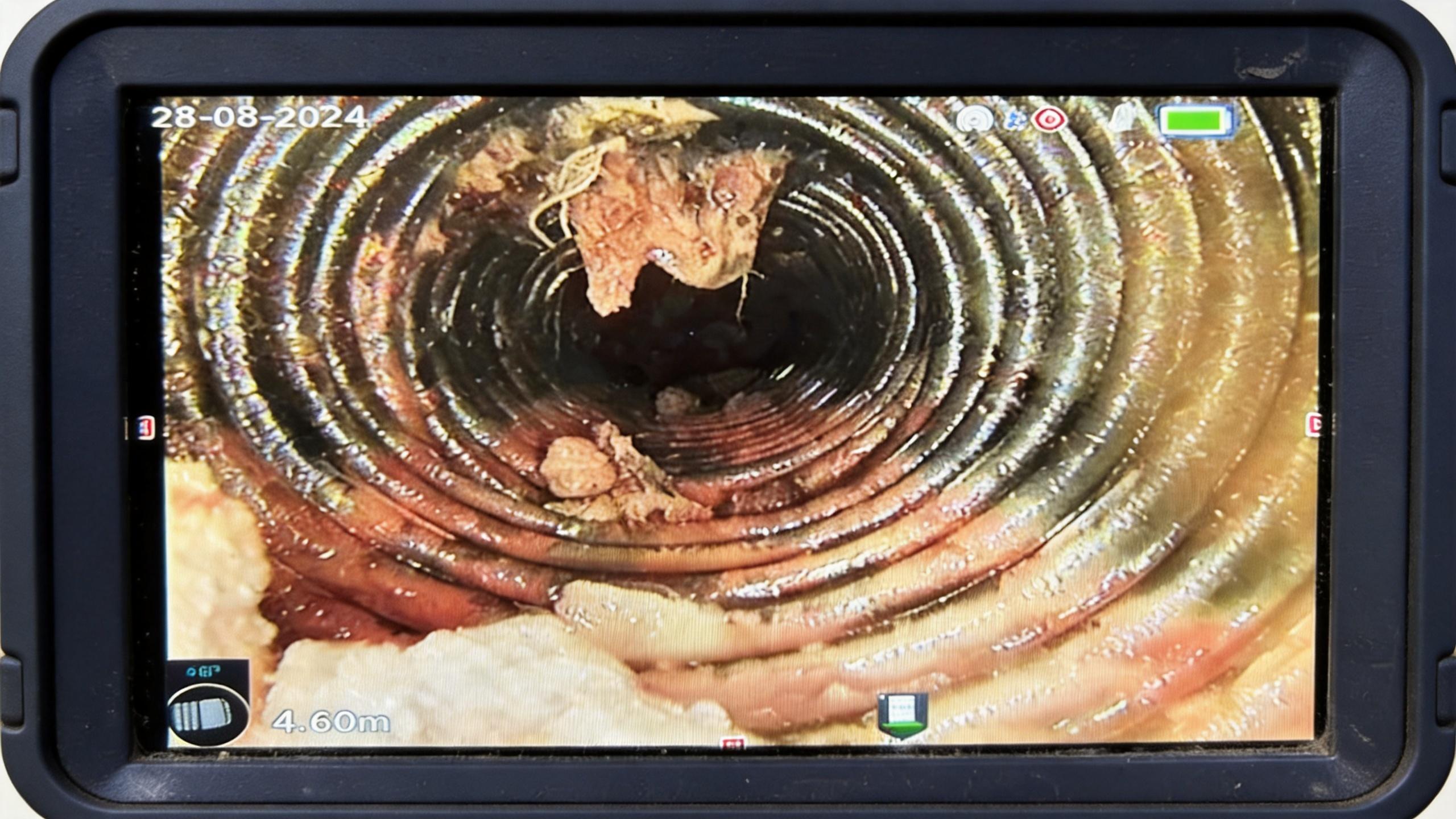
Auckland's drainage systems face unique challenges that property owners should understand. From clay soil movement to channel drain plant growth, knowing what affects your drains helps you prevent expensive problems before they happen.
This guide is written by our team of licensed drainlayers based on 20+ years of hands-on experience working across every Auckland suburb. We've seen it all, and we want to share that knowledge so you can make informed decisions about your property's drainage.
At Drain Ranger, we believe in education first. An informed property owner is better equipped to maintain their drainage system, spot warning signs early, and avoid expensive emergency repairs.
Auckland's Soil Conditions
Different parts of Auckland sit on different ground types. Each one creates different drainage challenges:
Clay Soil
The most common and problematic soil type in Auckland. Clay swells when wet and shrinks when dry. This constant expansion and contraction puts stress on underground pipes, causing cracks, misalignment, and breaks over time. Found across much of West Auckland, Central Auckland, and the North Shore.
Common areas: West Auckland, Central, North ShoreVolcanic Rock
Found in areas around Auckland's volcanic cones. Generally provides stable ground for drainage, but pipes laid through volcanic rock can be difficult to repair or replace due to the hard ground.
Common areas: Mt Eden, One Tree Hill, Mt AlbertSandy Soil
Found in coastal areas. Sand provides good natural drainage but can wash away around pipes, causing them to lose support and sag. This creates flat lines where water pools instead of flowing.
Common areas: Beach suburbs, coastal areasFill and Reclaimed Land
Some Auckland areas are built on fill or reclaimed land that continues to settle over time. This settlement damages pipes and creates drainage problems that worsen over years.
Common areas: Parts of Manukau, some waterfront areasCommon Auckland Drainage Problems
Tree Root Intrusion
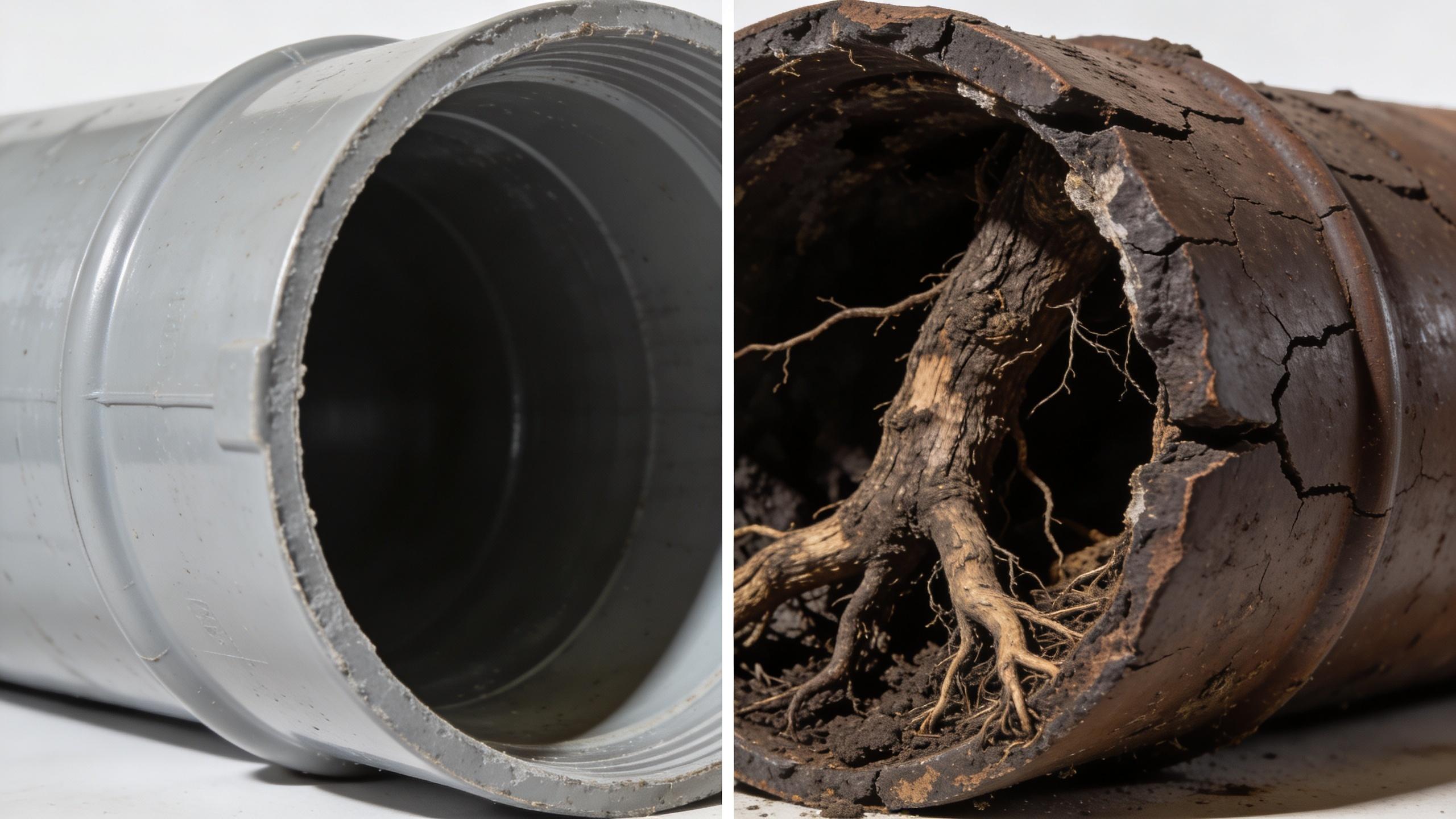
Auckland's established suburbs have mature trees whose roots seek out moisture in drainage pipes. Roots enter through tiny cracks, grow rapidly, and eventually cause complete blockages or pipe destruction.
Solution: Regular hydro jetting clears roots. CCTV monitors growth. Severe cases need pipe repair or replacement.
Typical cost if ignored: $350–$8,000+Channel Drain Plant Growth
Rain washes soil into channel drains. This soil carries seeds from birds and wind. In Auckland's ideal growing conditions, plants germinate and grow inside the drains, damaging the structure.
Solution: Annual cleaning removes soil and plants before damage occurs. Part of our maintenance plans.
Typical cost if ignored: $2,000–$5,000 if left uncheckedGround Movement Cracks
Auckland's clay soil constantly expands and contracts with weather changes. This movement stresses underground pipes, creating cracks that worsen over time.
Solution: Annual CCTV inspection catches hairline cracks before they become breaks. Early repair saves thousands.
Typical cost if ignored: $1,500–$15,000+Fat & Grease Buildup
Cooking fats and oils poured down the drain solidify inside pipes. Over time, this builds into thick, hard blockages that nothing gets through.
Solution: Hydro jetting blasts pipe walls clean. Prevention: never pour fat down the drain. Put it in the bin.
Typical cost if ignored: $350–$1,000Aging Pipe Materials
Auckland has homes from every era, each with different pipe materials. Earthenware (pre-1950s), concrete (1950s-80s), and early PVC all deteriorate with age.
Solution: CCTV inspection identifies pipe condition and remaining lifespan. Plan replacements before failure.
Typical cost if ignored: $5,000–$30,000+ for full replacementFlat Lines (No Fall)
Drainage pipes need gravity to work. If pipes have settled, shifted, or were installed with insufficient fall, water pools instead of flowing. This causes recurring blockages.
Solution: May need section replacement to restore proper gradient. CCTV identifies exact locations.
Typical cost if ignored: $1,500–$5,000Drainage by Home Era
Understanding when your home was built helps predict what drainage issues to expect:
Pre-1950s
EarthenwareBrittle pipes prone to cracking. Heavy root intrusion through deteriorated joints. Significant ground movement damage accumulated over decades. These properties almost always have drainage issues.
Recommendation: Annual CCTV inspection essential. Budget for pipe replacement.
1950s–1980s
ConcreteConcrete degradation. Land movement damage from clay soil. Channel drains with plant growth. Mixed pipe materials with poor connections between old and new.
Recommendation: Annual inspection recommended. Watch for signs of concrete deterioration.
1980s–2000s
Early PVCVarying installation quality during the transition from concrete to PVC. Some poor practices. Inadequate fall causing slow drainage. Connection issues between materials.
Recommendation: Inspect every 1-2 years. Early PVC quality varies significantly.
2000s–Present
Modern PVCGenerally better materials, but installation quality varies. Compliance verification important. Newer doesn't always mean problem-free.
Recommendation: Inspect every 2-3 years. Verify original installation quality.
Warning Signs to Watch For
If you notice any of these signs, your drainage system may need attention:
Notice any of these signs?
A CCTV inspection ($250+GST) will identify exactly what's happening inside your drains.
Call 021 709 783Prevention Tips for Auckland Property Owners
- Never pour cooking fat or oil down the drain
Let it cool, scrape into the bin. Fat solidifies in pipes and causes blockages.
- Get annual CCTV inspections
Catches small issues before they become expensive emergencies. Especially important for older homes.
- Keep trees trimmed and roots managed
If you have large trees near drain lines, annual hydro jetting clears roots before they cause major damage.
- Clean channel drains regularly
Remove soil and plant growth before it damages the drain structure.
- Don't flush anything except toilet paper
Wet wipes, cotton buds, and sanitary products cause blockages. Only toilet paper breaks down properly.
- Know where your drains are
An as-built diagram shows your drainage layout. We provide these with inspections.
- Consider a maintenance plan
Annual professional maintenance costs a fraction of emergency repairs and keeps your system healthy.
Frequently Asked Questions
Auckland has a mix of clay, sand, and volcanic rock depending on the area. Clay soil is the most common and causes the most drainage problems because it swells when wet and shrinks when dry, putting constant stress on underground pipes.
Warning signs include: slow draining sinks or showers, gurgling sounds from drains, bad odours from drains, wet patches in the garden, recurring blockages, sewage backup, and subsidence around drain lines. If you notice any of these, a CCTV inspection ($250+GST) will identify the exact problem.
Channel drains are long, narrow drainage grates usually found along driveways, patios, and building edges. They block because rain washes soil containing seeds into the drain. Plants grow inside the channel, and their root systems damage the drain and cause complete blockages.
We recommend annual maintenance for most Auckland properties. This includes CCTV inspection, hydro jetting, and channel drain cleaning. Properties with mature trees, older pipes, or previous drainage issues may benefit from more frequent checks.
Earthenware (pre-1950s): brittle, prone to cracking. Concrete (1950s-1980s): degrades over time. Early PVC (1980s-2000s): varying quality. Modern PVC (2000s+): generally reliable but installation quality varies. Each material has different failure modes and maintenance needs.
Yes. Tree roots are one of the most common causes of drain damage in Auckland. Roots find the smallest crack in a pipe and grow inside, expanding and causing further damage. Established suburbs with mature trees are particularly affected.
Stormwater carries rainwater from roofs, driveways, and surfaces to waterways. Sewerage carries wastewater from toilets, sinks, and showers to treatment plants. They are separate systems and must not be cross-connected. Both need regular maintenance.
Call Drain Ranger on 021 709 783. We offer same-day service and sort calls by urgency. Sewage backup and effluent on the lawn get priority. While waiting, avoid using water if possible and keep people away from any sewage.